Women younger than 50 who frequently consume ultra-processed foods have a much higher risk of developing bowel polyps that have been associa...
Women younger than 50 who frequently consume ultra-processed foods have a much higher risk of developing bowel polyps that have been associated withcancer, regarding new research announced today.
The latest global analysisdiscovered that colon cancer is the only type of the illness to have increased exclusively within this age group—prompting scientists to investigate further and identify possible environmental factors.
Highly processed foods, often lacking in fiber and rich in emulsifiers, have been associated with bowel cancer for a long time, yet information regarding UPFs and early-onset tumors in the colon has largely been ignored.
In the research, top cancer specialists from PROSPECT, supported by Cancer Grand Challenges—a worldwide scientific program established by Cancer Research UK and the National Cancer Institute—analyzed endoscopy data from more than 29,100 women.
The scientists discovered that individuals who consumed the highest amounts of ultra-processed foods had a 45 percent higher chance of developing tumors in their large intestine or rectum.
Although polyps are typically benign and do not always require attention, in some instances a polyp may develop into cancer over time.
Dr. Andrew Chan, a specialist in clinical and translational epidemiology at Massachusetts General Hospital and the lead author of the study, stated: 'We are observing an increasing number of bowel cancer cases among younger adults, and we still do not know the reasons behind this trend.'
Our study is investigating potential elements like nutrition, insufficient physical activity, and changes in the gut microbiota, which could all contribute.
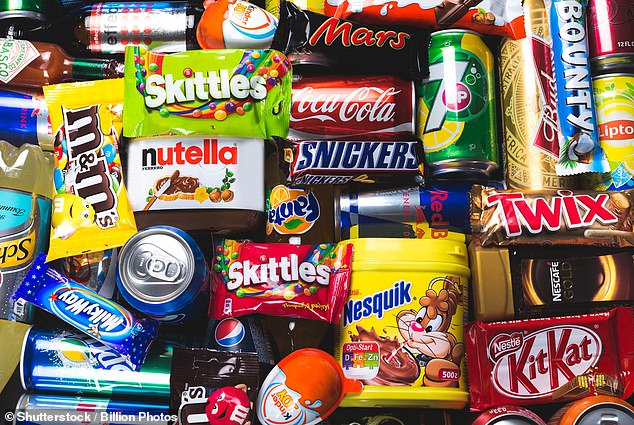
Releasing their results in the publicationJAMA Oncology, the researchers examined if consuming higher amounts of UPFs was linked to a greater likelihood of non-cancerous tumors and serrated lesions in the colon—the primary causes of colorectal cancers.
They examined the lower-endoscopy findings of 29,105 female nurses between the ages of 25 and 42 who participated in the Nurses' Health Study II to obtain an early understanding of how diet affects cancer development.
Colonoscopies are commonly performed to identify the cause of bowel-related symptoms like rectal bleeding, diarrhea, constipation, and unexpected weight loss. They are also used to find bowel polyps.
Factors related to lifestyle, family background, and medical history were gathered using questionnaires distributed every two years since 1989, while eating patterns were assessed through food frequency questionnaires carried out every four years starting in 1991.
Individuals with a history of irritable bowel syndrome (IBS), colorectal adenomas, or prior cancer diagnoses were not included in the study.
The other participants were monitored until June 1, 2015, by which time all had turned 50 years old.
The UPF intake was evaluated through food questionnaires divided into four categories based on the Nova classification—unprocessed or minimally processed foods, processed ingredients, processed foods, and ultra-processed foods—and included more than 130 items.
Within the UPFs group, items were classified further to indicate their nutritional value. For instance, whole grain bread and sweet pastries were placed in different categories.
In general, the intake of ultra-processed foods was evaluated based on the number of portions of UPFs consumed daily, relative to overall caloric consumption.
During the 24-year research period, scientists discovered that individuals who consumed the highest amounts of ultra-processed foods had a higher BMI, smoked more frequently, and were more likely to have type 2 diabetes compared to those who ate fewer such foods.
These women also had a higher tendency to use anti-inflammatory pain medications, such as aspirin, and were more prone to undergo hormone replacement therapy. They were also less likely to consume supplements and were less physically active compared to their counterparts.
On average, the consumption of UPF accounted for approximately 35 percent of daily caloric intake—translating to roughly 5.7 portions per day, mainly from breads and breakfast items, sauces, spreads, condiments, and sweetened beverages.
By the conclusion of the study, 1,189 instances of early-onset tumors and 1,598 serrated lesions were documented.
Individuals who consumed the highest amounts of ultra-processed foods had a higher risk of developing early-onset cancers, although not precancerous growths—with beverages sweetened artificially being a key factor.
The scientists stated: 'This implies that exposure to several food additives together might have a combined impact on digestive health by damaging the intestinal barrier and changing the microbial community.'
Our results emphasize the role of nutrition in the development of colorectal cancer at a young age and endorse enhancing dietary standards as a method to reduce the rising prevalence of early-onset colorectal cancers.
Professor Charles Swanton, Chair of the Cancer Grand Challenges Scientific Committee and Cancer Research UK's Chief Clinician, stated: 'This research provides insight into how diet and other elements relate to gut health and alterations in the intestines connected to cancer risk.'

Although causation has not been proven, scientists from the PROSPECT team globally are integrating large-scale population research with advanced laboratory science to gain a better understanding of the elements that could be influencing this pattern, and how we can potentially mitigate it for upcoming generations.
Approximately 44,000 individuals in the UK are diagnosed with bowel cancer annually, compared to 142,000 cases in the US, positioning it as the fourth most prevalent type of cancer in both nations.
Earlier studies have also indicated that in England, cases among individuals aged 25 to 49 have risen by over 50 percent since the early 1990s.
In the United States, the illness is already expected to emerge as the most prevalent cancer among individuals under 50 by 2030.
Common symptoms may involve alterations in bowel habits, such as persistent and newly developed diarrhea or constipation, a heightened or reduced urge to defecate, and the presence of blood in the feces.
Other symptoms include stomach pain, a mass in the abdomen, swelling, unexpected weight loss, and tiredness.
Anyone encountering these signs should consult their general practitioner for guidance.
Cancer Research UK believes that more than half (54 percent) of bowel cancer cases in the UK could be avoided. The organization is urging for improved measures to promote healthier living, aiming to reduce rising cancer rates.
Fiona Osgun, the head of health information at the organization, stated: 'Although this research does not specifically assess cancer risk, it provides valuable understanding of how dietary habits could affect early changes in the colon that occasionally result in cancer.'
Our eating habits are influenced by our environment, including factors like food costs, advertising, and what is available locally.
This may complicate making nutritious decisions. Wider reforms—ranging from food regulations to public health programs—are necessary to ensure healthier eating is available to all. The entire diet has a greater impact on cancer risk than any individual food item.
Read more- Is your diet and way of living contributing to a concerning increase in bowel cancer among younger people worldwide?
- Are specialists in the UK sounding the alarm that the alarming increase in bowel cancer among those under 50 might be connected to our preference for highly processed foods?
- Is your diet contributing to the alarming increase in bowel cancer among young individuals?
- Is diet responsible for the sharp increase in bowel cancer cases among young adults?
- What is causing an increase in bowel cancer cases among people under 50, and how do diet and weight contribute?


COMMENTS