In the last few weeks, we've shown you how to create the best possible order at your local establishmentChinese, Indian and Mexicandinin...
In the last few weeks, we've shown you how to create the best possible order at your local establishmentChinese, Indian and Mexicandining spots—while still savoring your preferred tastes.
This time, the Daily Mail explores a standard Thai menu to identify the most nutritious dishes and highlight the highest calorie options, and it's not good news for noodle lovers...
Recent data suggests there are approximately 2,000 to 2,500 Thai restaurants in the UK, and it's common to find Thai-themed dinner kits and pre-made meals in local supermarkets.
Emphasizing fresh components and bold tastes, it's no surprise that it's gaining popularity among Britons, offering a wide range of local dishes that cater to all tastes.
"Thai cuisine is a lively combination of herbs, spices, and fresh components, making it one of the more delicious—and possibly more nutritious—choices for takeout," notes Kerry Beeson, a Nutritional Therapist from the meal delivery service Prep Kitchen.
Numerous Thai meals are packed with vegetables such as broccoli, high in vitamin C, and green beans, which are typically stir-fried or grilled rapidly—this method aids in preserving their nutritional value, making them a nutritious option when little oil is employed.
You will also come across genuine Thai vegetables such as pea aubergines, which are rich in fiber, antioxidants, potassium, and magnesium.
In contrast to standard Western fast food, Thai cuisine tends to have lower levels of saturated fats and incorporates fragrant herbs such as coriander, garlic, and ginger.
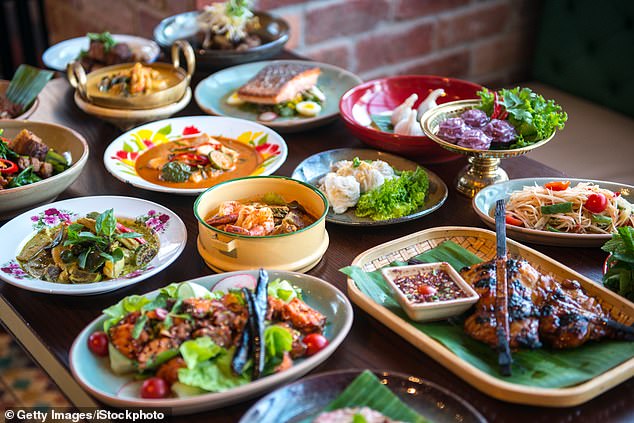
Garlic is a fundamental ingredient in Thai cuisine, known for its natural antimicrobial properties and prebiotic benefits, which are beneficial for digestive health.
Thai cuisine also incorporates spicy ginger, which aids in reducing inflammation and easing digestion, along with the characteristic spice of Thai dishes: chili peppers.
Chillies have capsaicin, which enhances circulation and blood flow. They are also recognized as an aphrodisiac!
The inclusion of coriander, arguably the most controversial herb on the planet due to its polarizing flavor—delicious for some and 'soapy' for others—also enhances its nutritional value.
Coriander contains terpinene, quercetin, and tocopherols, which are plant-based substances known for their antioxidant and anti-inflammatory properties.
A key component in Thai cooking is coconut milk, which makes several of the richer dishes appropriate for vegans and individuals with dairy allergies or sensitivities.
"It also contains medium-chain fatty acids such as lauric acid and caprylic acid, which are transformed into ketones that the body can utilize for energy without impacting blood sugar levels," states Ms. Beeson.
They also possess antibacterial and anti-inflammatory effects.
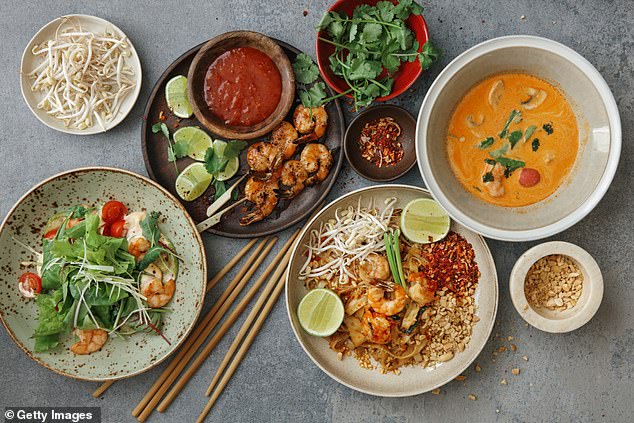
Coconut milk also contains trace amounts of minerals like magnesium, potassium, and iron, which aid in boosting the immune system and supporting energy production.
Nevertheless, although it offers health advantages, coconut milk is rich in saturated fats and calories, containing approximately 445 calories per cup, and therefore should not be overconsumed.
The NHS advises that men should not exceed 30g of fat daily, while women are encouraged to limit their intake to 20g at most.
However, coconut milk is not the only factor worth paying attention to, as stated by Ms. Beeson.
Numerous Thai meals incorporate polished white rice or noodles, which are deficient in fiber and may cause rapid increases in blood sugar.
"Replacing white rice with cauliflower rice or brown rice, which are available in certain restaurants, can greatly boost fiber consumption and reduce the glycemic effect," she states.
Foods that are deep-fried at elevated temperatures can reduce the quality of the oil and the nutritional content of the meal, while thick, indulgent sauces may contain high levels of fat and sugar.
"Thai ingredients are quite strong and might not appeal to everyone," she says.
Capsaicin found in chili peppers may lead to digestive issues or act as a cause for heartburn in certain individuals. Chili peppers can also result in abdominal cramps and diarrhea.
Additionally, dishes with intense flavors can contain large amounts of sodium due to seasonings like soy sauce and fish sauce.
The NHS recommends that adults consume no more than 6 grams of salt daily, equivalent to approximately a teaspoon. Too much salt has been associated with elevated blood pressure and severe heart conditions.
In the same way, health officials recommend that men consume no more than 2,500 calories daily and women no more than 2,000.
However, if you make smart choices, Thai cuisine can be among the healthier options for takeout or dining out.
"Thai cuisine is highly innovative, and you might discover that each restaurant offers its own unique dishes along with the traditional favorites," says Ms. Beeson.
Since many of the dishes are prepared fresh upon request, it may be possible to customize the meals according to your preferences.
With that in mind, Ms. Beeson highlights the five most nutritious dishes found on a standard Thai menu... and five that are best reserved for rare indulgence.
Green papaya salad
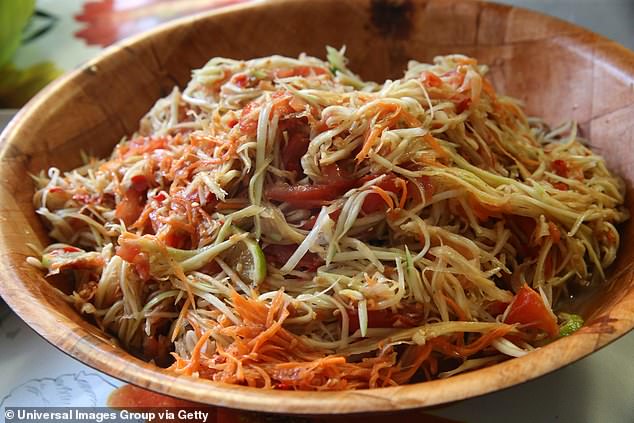
One of the most well-known Thai salads, it gets its name from the way it is prepared; "som" refers to sour, while "tam" indicates that the ingredients are crushed together in a mortar and pestle to bring out and mix the flavors.
Ms. Beeson stated, "Thai salads usually contain crisp, uncooked or slightly cooked fruits and vegetables, which makes them low in fat and calories and rich in antioxidants and vitamin C."
Choose options that include more vegetables and fewer unhealthy components such as glass noodles.
A standard serving of 220g contains only 111 calories, along with less than one gram of sodium.
Nevertheless, it may contain a significant amount of sugar, with one serving providing 15g, which is half of the NHS' suggested daily intake of 30g.
Tom Yum Goong Soup (Shrimp)
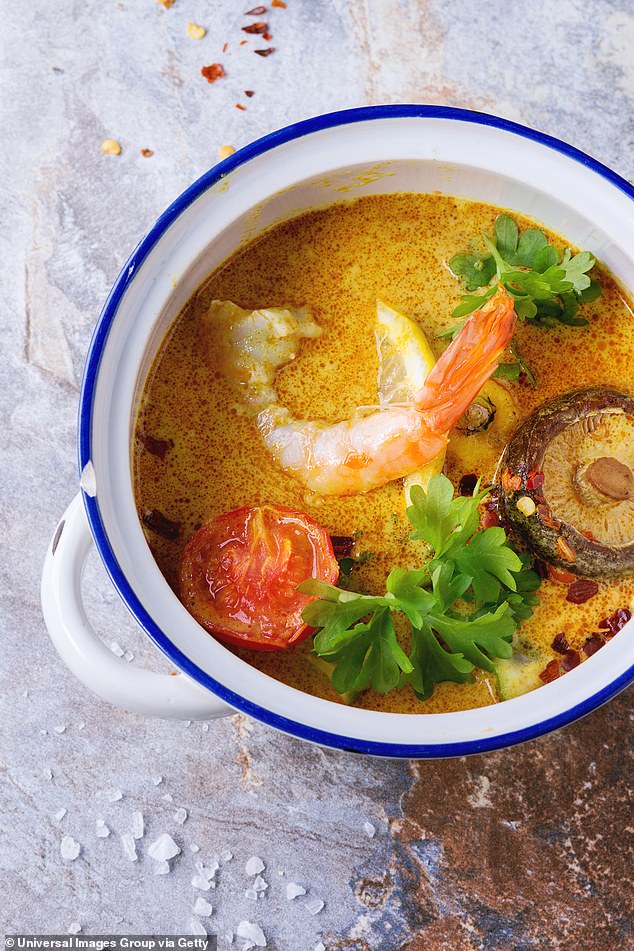
It's soup time in the UKHowever, you don't have to rely on a familiar can of tomato; you can opt for a Thai favorite, tom yum.
This meal is rich in taste but typically contains only 50 calories per 240g portion, with just 2g of sugar, as stated by Ms. Beeson.
She states: "A spicy and tangy soup filled with shrimp, chili, lemongrass, and galangal (a root resembling ginger), and it's typically offered with chicken or tofu as the protein choice."
It may have a high sodium content, but it is naturally low in fat and calories. Additionally, since it typically includes a variety of herbs, vegetables, and spices, it provides vitamins, fiber, antimicrobial plant compounds, and antioxidants.
Stir–fried vegetables
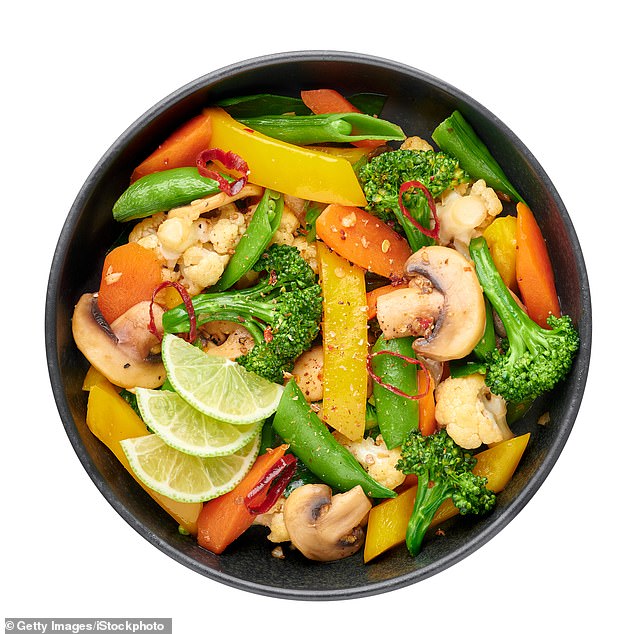
For years, we have been told to consume five 80g servings of fruits and vegetables daily, which makes this dish an obvious choice.
Ms. Beeson believes that, based on the kind of vegetables and the oil utilized, there are approximately 200 calories in a 240g portion.
The meal is most nutritious when stir-fried with plenty of fresh herbs and seasonings, and uses very little added oil and salt.
She states, 'This dish usually offers a reliable source of dietary fiber, vitamin C, and antioxidants.'
This dish is commonly offered with your selection of lean protein as the main course, and many restaurants will omit soy sauce or fish sauce, using just a bit of salt and pepper to lower the sodium level.
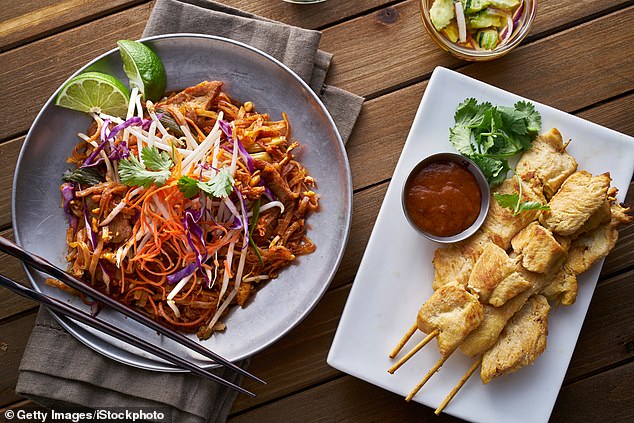
Grilled chicken (gai yang)

Approximately 230 calories are present in every 100g serving of grilled chicken, while the selected marinade can contribute between 4–12g of fat to your meal.
"Thai grilled meat or shrimp are typically seasoned with garlic, coriander, and lemongrass, providing a lighter option that is rich in lean protein and B vitamins, while being lower in fat, carbohydrates, and calories," explains Ms. Beeson.
Including approximately two tablespoons of peanut-based satay sauce can quickly add about 100 calories, so it's wise to be cautious if you're monitoring your weight.
Steamed fish
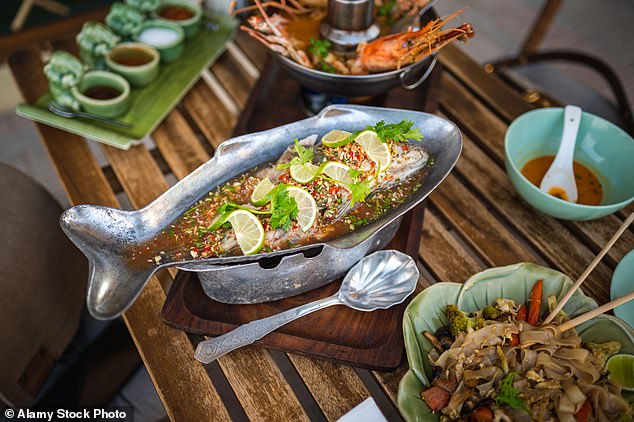
Steamed fish is a delicate main course typically made with sea bass, seasoned with ginger, lime juice, garlic, and chili peppers.
Ms. Beeson approximates that a 100g fillet contains approximately 130 calories, varying with the marinade, and no more than 7 grams of fat.
"It contains a lot of lean protein, is low in fat, and provides magnesium, phosphorus, vitamin B12, and selenium. This is among the better options on a Thai menu," she states.
The NHS advises that we consume two servings of fish each week. Studies have also indicated that boosting our intake of fish may lower the likelihood of developing type 2 diabetes and some types of cancer.
We have observed the most nutritious options available on the menu, but what about those that are meant to be enjoyed only now and then?
Pad Thai (chicken)
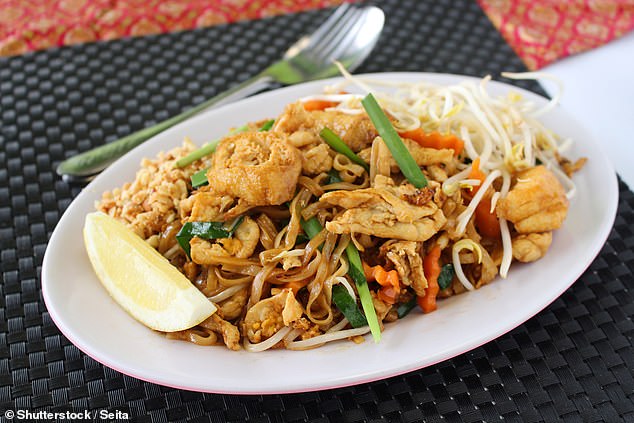
Pad Thai is often considered the most well-known Thai cuisine, yet it contains approximately 800 calories, 20 grams of sugar, and 45 grams of fat per portion, making it best consumed in moderation.
The meal consists of stir-fried rice noodles, egg, peanuts, palm sugar, and fish sauce, along with a selection of vibrant vegetables and a protein such as chicken, tofu, or shrimp.
Ms. Beeson states: 'Although it's a popular favorite, Pad Thai is typically stir-fried with oil and contains high amounts of sugar, soy sauce, and refined white rice noodles.'
Generous serving sizes contribute to high energy content, making it simple to consume excessive amounts.
Massaman curry with chicken
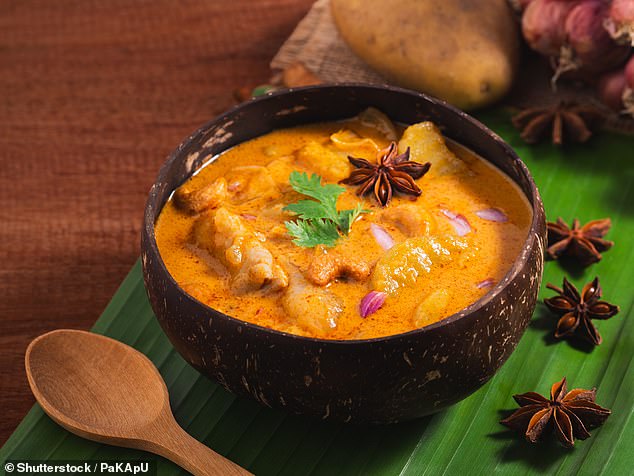
Lively curries are a common feature on any Thai menu, but one type should be consumed with care.
Ms. Beeson believes that a standard portion of massaman curry, which includes a thick mix of coconut milk, potatoes, and peanuts, may contain 540 calories per serving, along with 20 grams of fat.
'Although it is rich in Thai flavors, it is one of the most calorie-dense Thai curries because of its high fat and carbohydrate content, and typically has the least vegetables,' she says.
It is commonly accompanied by white rice, which can add approximately 200 calories and provides minimal nutritional benefits.
Thai fried rice (khao pad)
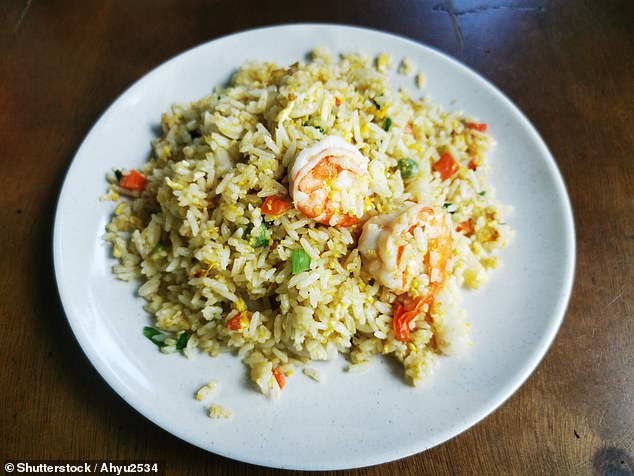
Featuring white rice as its foundation, khao pad contains 320 calories per portion, along with up to 20g of fat—equivalent to two-thirds of a man's daily recommended intake—making it a dish best enjoyed now and then.
"Prepared using white rice and cooking oil, this meal is low in fiber and essential nutrients, while being high in fat and calories," explains Ms. Beeson.
It frequently involves additional sauces and salt-rich seasonings, with limited vegetable content.
Fried Vegetable Spring Rolls

A widely enjoyed side dish or appetizer, these golden parcels made from vegetable ribbons can quickly contribute 440 calories to your meal, along with 19 grams of fat.
Ms. Beeson states: "Don't be misled by the mention of vegetables, these Thai snacks are deep-fried and accompanied by sweet, sugary dipping sauces."
They contain a lot of fat and provide minimal nutritional value other than starch and oil, as a result of being cooked at high temperatures.
Mango Sticky Rice
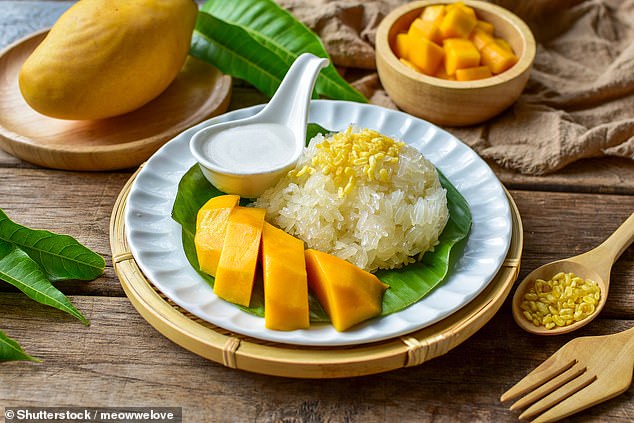
A serving of mango rice, a traditional Thai dessert featuring coconut cream, rice, and sweet, golden mango, can contain nearly 500 calories and 25 grams of fat.
As stated by Ms. Beeson, this blend contains an impressive 42 grams of sugar per serving.
She states: This basic dessert is a popular choice on Thai menus, yet although it is tasty and contains some antioxidants from the mango, this mix of sweet sticky rice, coconut cream, and ripe mango is high in refined carbohydrates and sugar, and lacks fiber, protein, and other essential nutrients.
Read more- Is your favorite Chinese takeout meal actually a high-calorie, high-sodium dish that could harm your heart and overall health?
- Could your favorite Indian takeout possibly be among the healthiest choices, thanks to colorful spices, fresh veggies, and low-fat proteins?
- Yearning for a traditional Sunday roast? Learn why this British person thinks Thailand offers English cuisine more authentically than the UK does!
- Is your preferred Mexican meal a source of essential nutrients or a high-calorie treat? Find out which dishes nutrition expert Lily Soutter advises you to consume with caution!
- Could this tropical Thai treat be the most divine dessert ever found, or is it just overly sweet to manage?


COMMENTS